Corporate Wellness Program: A Complete Guide to Boost Employee Health, Productivity & ROI
Key Takeaways
- Corporate wellness programs improve employee health, productivity, and engagement.
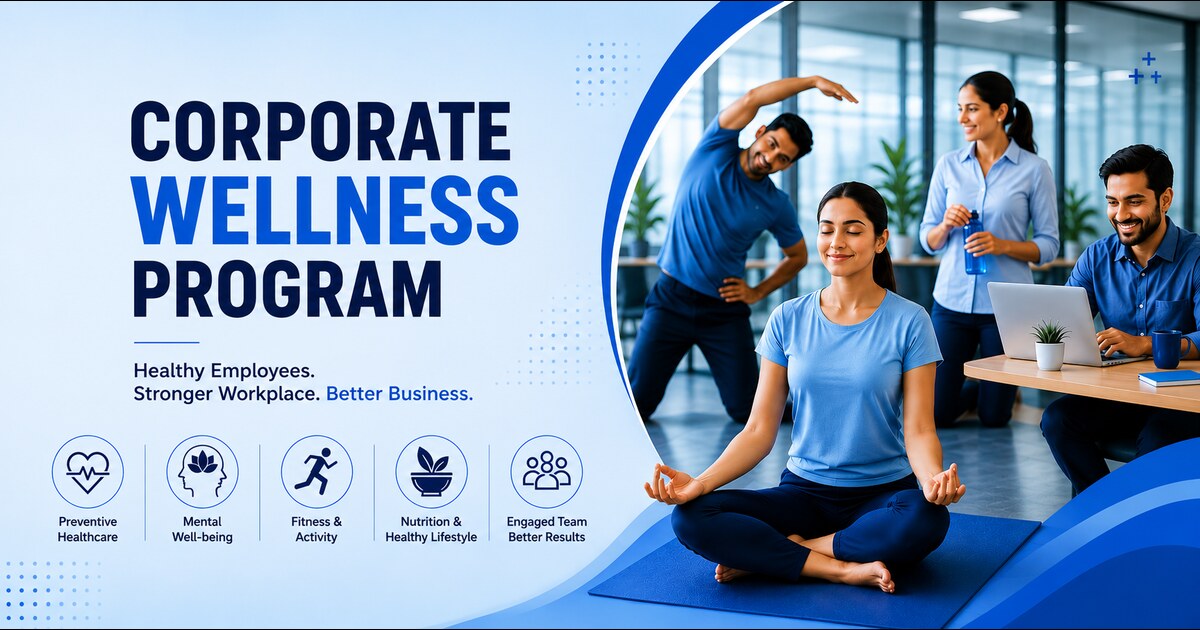
- They include preventive care, mental wellness, fitness, nutrition, and lifestyle support.
- Personalised programs can help reduce absenteeism, healthcare costs, and burnout.
- Technology and measurable KPIs help track wellness outcomes and ROI.
- A strong wellness strategy builds a healthier, happier, and more productive workforce.
- Blue Circle offers end-to-end corporate wellness solutions for organisations.
The way organisations approach employee well-being has changed significantly over the past decade. Today, a corporate wellness program is no longer limited to annual health check-ups or discounted gym memberships. It is a strategic, data-driven initiative that helps employees stay physically healthy, mentally resilient, and more engaged at work.
A well-designed wellness program brings together preventive healthcare, mental health support, fitness initiatives, nutrition guidance, health risk assessments, and personalised wellness interventions under one framework. By proactively addressing employee health instead of reacting to illness, organisations can reduce absenteeism, improve productivity, enhance employee experience, and lower long-term healthcare costs. For businesses looking to build a high-performing workforce, investing in employee wellness is no longer optional; it's a competitive advantage.
What is a Corporate Wellness Program?
A corporate wellness program is a structured workplace initiative designed to improve employees' overall health while supporting business performance. It focuses on creating healthier work environments through preventive healthcare, lifestyle improvement, and employee engagement rather than treating illnesses after they occur.
Depending on an organisation's needs, a wellness program may include health screenings, mental health counselling, fitness challenges, chronic disease management, nutrition coaching, stress management workshops, vaccination drives, ergonomic assessments, and digital wellness platforms. Many organisations also use health analytics to identify potential risks and deliver personalised wellness recommendations.
When implemented effectively, corporate wellness programs help employees adopt healthier habits, improve morale, strengthen workplace culture, and contribute to long-term organisational success.
Why are Corporate Wellness Programs Important for Indian Companies?
The Indian workforce is facing growing health challenges driven by sedentary jobs, long working hours, workplace stress, and the increasing prevalence of lifestyle-related diseases. These issues not only affect employee well-being but also have a direct impact on productivity, healthcare costs, and overall business performance.
Corporate wellness programs help organisations tackle these challenges proactively by creating a healthier, more engaged workforce.
Key reasons companies are investing in employee wellness:
- Combat rising stress and burnout: Mental wellness initiatives help employees manage stress, anxiety, and workplace fatigue before they affect performance.
- Reduce chronic health risks: Preventive health screenings and regular assessments enable early detection of conditions such as diabetes, hypertension, and obesity.
- Improve productivity and engagement: Healthier employees tend to be more focused, motivated, and productive throughout the workday.
- Lower healthcare and absenteeism costs: Preventive care reduces medical claims, sick leaves, and the financial burden associated with chronic illnesses.
- Strengthen talent attraction and retention: Comprehensive wellness programs have become a valued employee benefit that improves job satisfaction and employer branding.
- Support better work-life balance: Flexible wellness initiatives encourage healthier lifestyles and contribute to higher employee morale.
- Build a culture of well-being: Organisations that prioritise employee health foster stronger collaboration, greater trust, and sustainable business growth.
As employee expectations continue to evolve, corporate wellness programs have become a strategic investment that benefits both people and business outcomes. They don't just improve health; they help organisations build resilient teams, enhance workplace culture, and achieve a stronger return on investment.
What are the Benefits of a Corporate Wellness Program?
A well-planned corporate wellness program delivers measurable value for both employees and employers. By focusing on preventive care and overall well-being, organisations create healthier workplaces while improving business performance.
Benefits for Employees
- Better physical and mental health
- Reduced stress, burnout, and fatigue
- Improved work-life balance
- Higher job satisfaction and morale
- Increased energy, focus, and productivity
Benefits for Businesses
- Lower absenteeism and healthcare costs
- Higher employee engagement and retention
- Improved productivity and team performance
- Stronger employer brand and talent attraction
- Better return on investment (ROI) through a healthier workforce
When wellness becomes part of an organisation's culture, it creates long-term value that extends beyond employee health.
What Are the Main Types of Corporate Wellness Programs?
Every organisation has unique workforce needs, which is why effective wellness programs combine multiple initiatives instead of relying on a single activity. Some of the most common types include:
1. Physical Wellness Programs
Health screenings, fitness challenges, vaccination drives, ergonomic assessments, and preventive healthcare initiatives that encourage employees to stay active and reduce health risks.
2. Mental Health Programs
Employee Assistance Programs (EAPs), counselling, stress management workshops, mindfulness sessions, and mental health awareness campaigns that support emotional well-being.
3. Nutrition & Lifestyle Programs
Nutrition counselling, healthy eating initiatives, weight management programs, lifestyle coaching, and awareness sessions that help employees build healthier daily habits.
4. Work-Life Balance Programs
Flexible work policies, wellness leave, financial wellness support, family-focused initiatives, and employee engagement activities that reduce burnout and improve overall job satisfaction.
How to Design an Effective Corporate Wellness Program?
An effective wellness program starts with understanding employee needs and continuously improving the initiative based on measurable outcomes. Here's a practical framework organisations can follow:
- Step 1: Assess Employee Needs – Use health risk assessments, surveys, and workplace data to identify key health concerns.
- Step 2: Define Goals & KPIs – Set measurable objectives such as improved participation, reduced absenteeism, or better health outcomes.
- Step 3: Build Holistic Wellness Pillars – Include physical health, mental well-being, nutrition, preventive care, and lifestyle management.
- Step 4: Use Technology & Dashboards – Track participation, monitor health trends, and measure program effectiveness through digital platforms.
- Step 5: Communicate & Engage Employees – Encourage participation through awareness campaigns, leadership support, and wellness challenges.
- Step 6: Measure & Optimise – Regularly review outcomes, collect employee feedback, and refine the program to maximise engagement and ROI.
ROI of Corporate Wellness Programs
The ROI of a corporate wellness program goes beyond immediate healthcare savings. Businesses can evaluate its impact by comparing program costs with improvements in employee health, engagement, and workforce performance. Key metrics organisations can track include:
- Healthcare costs: Changes in medical claims and treatment expenses
- Absenteeism: Reduction in sick days and unplanned leave
- Productivity: Improvements in focus, performance, and presenteeism
- Employee engagement: Participation rates and wellness program feedback
- Retention: Changes in employee satisfaction and turnover
Some benefits, such as stronger workplace culture and employee morale, may be harder to quantify directly. Therefore, companies should assess both financial ROI and broader organisational outcomes when evaluating wellness investments.
Why Choose Blue Circle for Corporate Wellness Programs
A corporate wellness program works best when it is tailored to the workforce rather than built around one-size-fits-all activities. Blue Circle helps organisations develop structured wellness programs that bring preventive healthcare, employee engagement, and ongoing health management together. Key capabilities include:
- Preventive health check-ups and screenings
- On-site medical support and healthcare staffing
- Mental health and counselling support
- Nutrition and lifestyle wellness initiatives
- Vaccination and health awareness programs
- Digital health records and employee health tracking
- Health insights and reporting for better decision-making
By combining healthcare expertise with technology-enabled monitoring, Blue Circle enables organisations to move from occasional wellness activities towards a more continuous and measurable approach to employee well-being.
What are the Common Challenges in Implementing Corporate Wellness Programs?
Even well-designed corporate wellness programs may struggle to deliver results if employees do not engage with them consistently. Common implementation challenges include:
- Low participation: Employees may not understand the value of available wellness initiatives.
- One-size-fits-all programs: Generic activities may fail to address different employee needs and health risks.
- Limited leadership involvement: Lack of management support can reduce visibility and participation.
- Privacy concerns: Employees may hesitate to share health information without clear data protection practices.
- Difficulty measuring outcomes: Poor tracking makes it harder to evaluate impact and ROI.
Companies can address these barriers through clear communication, leadership participation, personalised initiatives, secure health-data management, and regular measurement to continuously improve the program.
Conclusion
Corporate wellness programs are most effective when they move beyond one-time activities and become part of an organisation's long-term people strategy. A thoughtful program can support physical and mental health, encourage preventive care, improve employee engagement, and help organisations manage absenteeism and healthcare costs more effectively.
The key is to understand workforce needs, set measurable goals, offer relevant wellness initiatives, and continuously evaluate what works. With experienced corporate wellness providers such as Blue Circle, organisations can bring these elements together through structured healthcare services, technology, and ongoing support. Ultimately, investing in employee well-being means building a healthier, more engaged, and resilient workforce while creating sustainable value for the business.
FAQs
1. What is a corporate wellness program?
A corporate wellness program is a structured initiative that supports employees' physical, mental, and emotional well-being. It may include preventive health check-ups, fitness activities, mental health support, nutrition guidance, lifestyle programs, and health awareness initiatives.
2. How do corporate wellness programs improve productivity?
Corporate wellness programs can improve productivity by helping employees manage stress, maintain better health, and reduce illness-related absence. Healthier employees are generally better positioned to stay focused, engaged, and productive while maintaining a healthier work-life balance.
3. How to start a corporate wellness program?
Start by assessing employee health needs through surveys, health assessments, or workforce data. Set measurable goals, select relevant wellness initiatives, communicate the program clearly, encourage participation, and regularly track outcomes to improve the program over time.
4. What is the ROI of corporate wellness?
Corporate wellness ROI measures the value generated compared with the amount invested in the program. Companies may evaluate healthcare costs, absenteeism, productivity, retention, participation, and employee engagement to understand both financial and broader organisational returns.
5. Who is the best corporate wellness program service provider in India?
The right provider depends on an organisation's workforce size, goals, and wellness requirements. Blue Circle offers comprehensive corporate wellness solutions covering preventive health check-ups, medical support, mental wellness, lifestyle initiatives, digital health tracking, and ongoing program management.