University Health Services: A Complete Guide to Campus Healthcare
Key Takeaways
- University Health Services provide accessible healthcare for students, faculty, and staff.
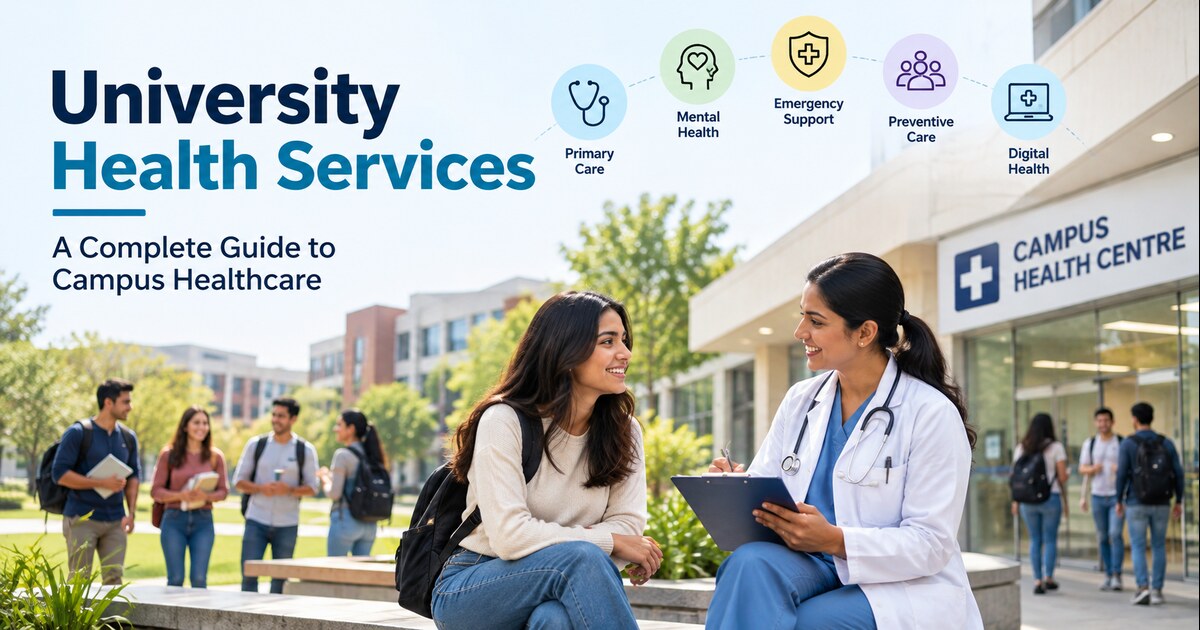
- Key services include primary care, emergency support, mental health, preventive care, and medical staffing.
- Digital health records can improve healthcare management and continuity of care.
- Strong emergency protocols and hospital partnerships help universities respond effectively to medical situations.
- A well-managed healthcare system supports a safer and healthier campus environment.
A safer campus starts with better healthcare. From sudden illnesses and sports injuries to mental health concerns and medical emergencies, students and staff need quick access to reliable care.
That’s where University Health Services play a vital role. Modern campus healthcare goes beyond first aid, offering on-campus clinics, doctors and nurses, health screenings, mental health support, emergency response, and digital health management. By strengthening University Health Services, universities can promote preventive care, support student wellbeing, and create a safer, healthier campus environment.
What Are University Health Services?
University Health Services refers to a set of medical programs and institutions that serve a college or university's students along with its employees.
The services often help in handling regular illnesses, injuries and medical emergencies along with promoting preventive health awareness. The way that this medical service is delivered would depend on the size and requirement of the institution, with some using a hospital or medical center while others may make use of a medical center or infirmary.
A comprehensive campus healthcare system may include:
- Primary medical consultations
- First aid and treatment for minor injuries
- Doctor and nurse staffing
- Emergency medical support
- Ambulance coordination
- Mental health and counselling support
- Preventive health screenings
- Health awareness programmes
- Digital health records
- Hospital referrals and specialist coordination
The main objective of University Health Services is to make appropriate healthcare more accessible to people while they are on campus.
Why Are University Health Services Important?
University life often brings significant changes to a student's daily routine. Many students live away from home for the first time, manage academic pressure, and adjust to new social environments. Having accessible University Health Services can provide an important layer of medical support during this period.
1. Faster Access to Medical Care
Students may require medical assistance for fever, infections, allergies, minor injuries or other common health concerns. An on-campus healthcare facility can provide initial assessment and care without requiring students to immediately travel to an external hospital.
2. Better Emergency Preparedness
Medical emergencies can occur without warning. Universities need trained healthcare professionals, defined emergency protocols, and reliable referral systems.
The CDC notes that qualified health professionals in educational settings can provide preventive, acute and emergency care.
Effective University Health Services help institutions prepare for such situations and ensure that the right action is taken quickly.
3. Support for Mental Wellbeing
Mental health deserves equal attention in a university healthcare system. Academic pressure, financial concerns, social challenges and personal issues can affect students' emotional wellbeing.
Mental wellness programmes, counselling access and stress-support initiatives can become valuable components of University Health Services.
4. Greater Focus on Prevention
Healthcare needs to commence early, and not when an individual is already terminally ill. Preventative measures like health screenings and awareness activities allow for early identification of serious issues.
According to the World Health Organization, a staggering 31% of adults worldwide fail to reach recommended levels of physical activity. Implementing wellness programmes can help educate students and staff on maintaining healthy lifestyles.
What Services Are Included in University Health Services?
The exact structure of University Health Services depends on factors such as campus size, student population, location and available infrastructure. However, a comprehensive system usually includes the following services.
Primary Care
Primary care addresses common health concerns such as fever, headaches, allergies, minor infections and stomach-related complaints. Medical professionals can assess the situation and recommend appropriate next steps.
Infirmary or Clinic Management
A properly equipped medical room or infirmary provides a dedicated space for students and staff requiring medical attention. It should include essential equipment, supplies and clear clinical protocols.
Doctor and Nurse Staffing
Qualified healthcare professionals are central to effective University Health Services. Universities may require full-time, part-time or on-call doctors and nurses based on their operational requirements.
Emergency Response
Emergency healthcare systems can include:
- first aid
- Initial medical stabilisation
- Emergency escalation protocols
- Ambulance coordination
- Hospital referrals
Mental Health Support
Mental wellness programmes may include counselling support, stress management initiatives and awareness sessions. These services should prioritise privacy and encourage students to seek help when required.
Preventive Health Programmes
Preventive care may involve regular health screenings, health camps, hygiene awareness and education on healthy lifestyle habits.
Digital Health Management
Digital health systems can help institutions maintain structured health records, monitor healthcare trends and improve administrative reporting while protecting appropriate medical confidentiality.
How Do University Health Services Work?
Effective University Health Services generally operate through a clear process.
Step 1- Initial Assessment
When a student or staff member reports a health concern, trained healthcare personnel conduct an initial assessment.
Step 2- Primary Treatment
Minor illnesses and injuries may be managed at the campus clinic or infirmary, according to established medical protocols.
Step 3- Observation and Follow-Up
Some cases may require monitoring after initial treatment. Healthcare staff can maintain records and recommend further care where necessary.
Step 4- Referral or Escalation
If a medical condition requires specialised treatment, the patient can be referred to an appropriate hospital or specialist.
Step 5- Documentation
Healthcare records that are accurate provide continuity of care and help institutions comprehend the wider healthcare needs on campus.
This organized system enables the University Health Services to offer consistent care rather than relying purely on an ad-hoc approach in cases of emergency.
University Health Services vs. Regular Healthcare Facilities
Both University Health Services and regular healthcare facilities play important roles, but they serve different purposes.
| University Health Services | Regular Healthcare Facilities |
| Located on or closely connected to campus | Usually located outside the university |
| Focus on students, faculty and staff | Serve the wider population |
| Provide convenient access to primary care | Offer a broader range of specialised treatments |
| Support campus-specific emergencies | Handle emergencies across the community |
| Can maintain campus health programmes | Focus primarily on individual medical treatment |
University Health Services are not designed to replace hospitals. Instead, they provide the first level of care and establish a clear connection between the university and external healthcare providers.
Challenges in Managing University Health Services
Managing healthcare for a large university population requires careful planning. Some common challenges include:
Limited Infrastructure
Many institutions may have only a basic first-aid facility.
Solution: Universities can gradually develop dedicated medical rooms and clinics based on their population size and healthcare requirements.
Staffing Requirements
Finding and managing qualified healthcare professionals can be challenging.
Solution: Professional healthcare service providers can support universities with trained doctors, nurses and backup staffing arrangements.
Emergency Coordination
Without defined procedures, emergencies can create confusion and delays.
Solution: Clear standard operating procedures, emergency contacts and hospital referral systems can improve response times.
Managing Health Records
Paper-based documentation can be difficult to maintain across a large student population.
Solution: Digital health records and reporting systems can improve organisation and continuity of care.
How to Implement Effective University Health Services
Universities can take the following steps to establish effective University Health Services:
- Assess campus healthcare needs based on student strength, campus size and existing infrastructure.
- Establish a suitable medical facility with essential equipment and supplies.
- Deploy qualified healthcare professionals according to operational requirements.
- Create emergency response protocols for medical incidents.
- Develop hospital and ambulance partnerships for cases requiring advanced treatment.
- Introduce preventive healthcare programmes such as screenings and health awareness initiatives.
- Include mental wellness support as part of the healthcare framework.
- Use digital health systems for structured records and reporting.
- Review the healthcare system regularly to identify areas for improvement.
Blue Circle: A Partner for Modern University Health Services
Building and managing University Health Services requires medical expertise, operational planning and reliable infrastructure. Blue Circle supports educational institutions with managed healthcare solutions designed around their specific requirements.
Blue Circle provides services such as:
- Clinic setup and infirmary management
- Qualified doctor and nurse staffing
- Primary healthcare support
- Ambulance and emergency coordination
- Preventive health programmes
- Mental wellness and stress-support initiatives
- Digital health records and health tracking
- Health reporting and administrative support
Blue Circle also works with colleges, universities and other institutional environments across India, providing customised healthcare models based on the population, operational hours and requirements of each campus. Its services combine clinical support, infrastructure and technology to create more organised campus healthcare systems.
For institutions that require dedicated medical staffing, Blue Circle offers certified doctors and nurses through flexible full-time, part-time and on-call engagement models.
Conclusion
Reliable University Health Services are a vital component of a suitably equipped institution of higher learning. Both students and staff spend most of their time on campus, which makes the availability of health care services very important for them.
A good system can encompass primary health care services, emergency preparedness, qualified professionals, preventive health care services and mental wellness services. With proper infrastructure and procedures, universities are able to deliver health care services in a more efficient and accessible manner.
In case your university has plans to begin or improve its University Health Services, Blue Circle is the answer that can help design a healthcare model suitable for your campus needs. Look at the healthcare solutions from Blue Circle and think how the properly managed system can help ensure a safer and healthier community on your campus.
Frequently Asked Questions
1. What are university health services?
University Health Services are healthcare facilities and programmes designed for students, faculty and staff. They may include primary care, emergency support, medical staffing, preventive healthcare and mental wellness services.
2. How can universities improve student healthcare?
Universities can improve healthcare by establishing proper medical facilities, hiring qualified healthcare professionals, implementing emergency protocols, offering preventive programmes and maintaining organised health records.
3. Do university health services include mental health support?
Yes, many modern University Health Services include mental wellness initiatives, counselling support and stress-management programmes. The exact services depend on the institution's healthcare model.
4. How much does it cost to set up university health services?
The cost depends on several factors, including campus size, infrastructure requirements, medical equipment, staffing levels and the range of services required. Universities should conduct a needs assessment before developing a budget.
5. How can Blue Circle support university healthcare?
Blue Circle supports universities through services such as clinic setup, infirmary management, medical staffing, primary care, preventive health programmes, emergency coordination and digital health management.
6. Does Blue Circle provide medical staffing for universities?
Yes. Blue Circle provides trained and certified doctors and nurses for institutional environments through flexible staffing models based on coverage requirements and operational needs.