Objectives of School Health Services: A Complete Breakdown
Key Takeaways
- School health services promote students' physical, mental, and emotional well-being.
- Support early detection and timely treatment through regular health screenings and assessments.
- Help prevent diseases and health risks through hygiene, nutrition, vaccination, and health awareness.
- Encourage students to develop healthy habits and positive lifestyle choices from an early age.
- Maintain accurate health records to track medical history, screenings, and follow-up care.
- Provide counselling, first aid, emergency care, and specialist referrals when needed.
- Create a safe, hygienic, and supportive school environment that helps students learn and thrive.
A child's health plays a crucial role in their ability to learn, grow, and participate actively in school. However, many common health issues among school-aged children often go unnoticed until they begin affecting attendance, academic performance, or overall development. This is where school health services become essential.
School health services provide preventive, promotive, and basic healthcare support within the school environment. From regular health screenings and first-aid care to health education and early disease detection, these services help identify health concerns before they become serious. They also encourage healthy habits, reduce absenteeism, and create a safer learning environment. As schools increasingly prioritise student well-being, structured healthcare programs have become an important part of delivering quality education.
What Are School Health Services?
School health services are organised healthcare programs designed to protect, promote, and improve the health of students throughout their academic journey. Delivered within the school setting, these services focus on prevention, early diagnosis, timely medical support, and health education rather than simply treating illnesses.
A comprehensive school health program may include routine medical check-ups, vision and hearing screenings, dental assessments, vaccination support, first-aid services, mental health counselling, nutrition guidance, and health awareness initiatives. Many schools also maintain digital health records to monitor student health over time and support timely interventions.
By addressing students' physical, mental, and emotional well-being, school health services help improve attendance, enhance learning outcomes, and create a healthier, safer school environment.
Common Health Problems That School Health Services Address
Children are vulnerable to a range of health conditions that can affect their growth, learning, and overall well-being. Regular school health services help identify these concerns early and ensure timely medical attention.
1. Malnutrition
Poor nutrition can affect physical growth, immunity, concentration, and academic performance. Regular health assessments and nutrition awareness programs help identify nutritional deficiencies and encourage healthier eating habits.
2. Infectious and Communicable Diseases
Schools are environments where infections can spread quickly. School healthcare programs help detect illnesses early, promote hygiene practices, support vaccination initiatives, and reduce the risk of disease outbreaks.
3. Intestinal Parasitic Infections
Intestinal worms and parasitic infections remain common among school-aged children in many regions. Routine screenings, hygiene education, and timely treatment help prevent complications such as anaemia, poor nutrition, and impaired growth.
4. Skin, Eye, and Ear Conditions
Skin infections, vision problems, and hearing difficulties often develop gradually and may go unnoticed. Regular screenings help detect these conditions early, allowing students to receive appropriate care before they impact learning or daily activities.
5. Dental Caries
Tooth decay is one of the most common childhood health concerns. Periodic dental check-ups, oral hygiene education, and preventive care encourage healthy dental habits and help reduce the risk of cavities and other oral health problems.
What Are the Objectives of School Health Services?
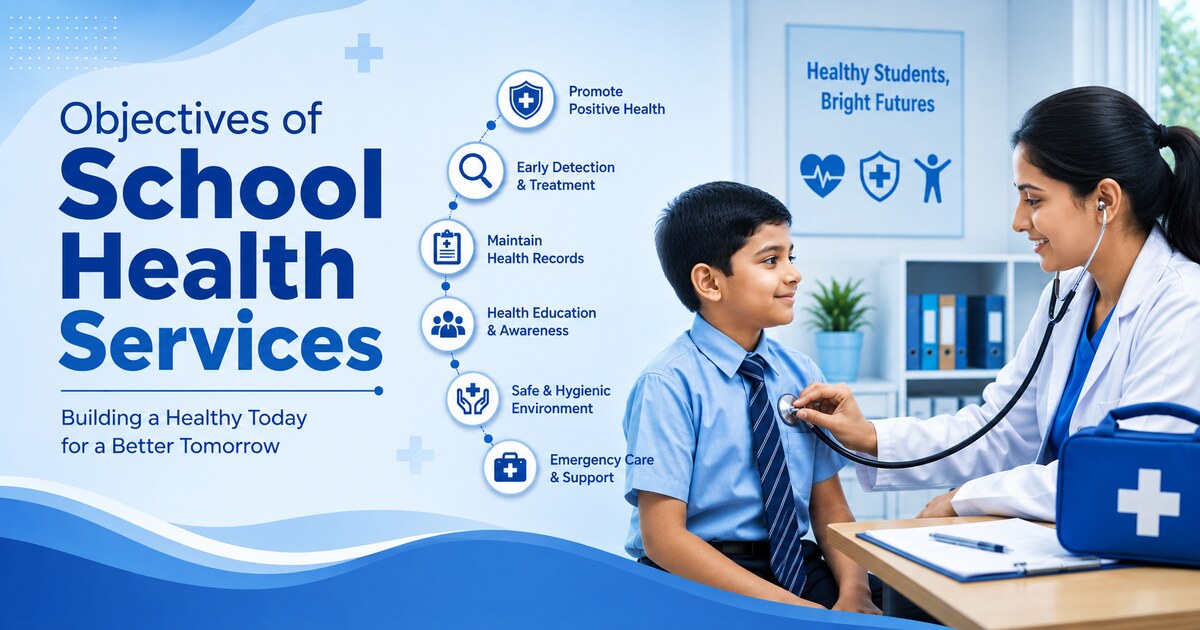
The primary objective of school health services is to create a healthy, safe, and supportive learning environment where students can thrive academically and personally. These services focus on preventing health problems, promoting healthy behaviours, identifying medical concerns early, and ensuring timely care to support students' overall growth and well-being.
1. Promote Positive Health
The primary objective of school health services is to help students achieve and maintain good physical, mental, and emotional health. By encouraging healthy eating, regular physical activity, proper hygiene, and overall well-being, schools can create an environment where students are better prepared to learn, grow, and succeed.
2. Early Detection and Treatment
Regular health screenings help identify medical conditions such as vision problems, hearing impairments, nutritional deficiencies, or developmental concerns before they become serious. Early diagnosis allows timely medical intervention, reduces complications, and ensures students receive the care they need without affecting their education.
3. Maintain Student Health Records
Maintaining accurate and up-to-date health records enables schools to track each student's medical history, vaccination status, allergies, chronic conditions, and screening results. These records support better decision-making, ensure continuity of care, and help healthcare professionals provide timely follow-up when required.
4. Conduct Regular Health Screenings
Routine medical examinations, including vision, hearing, dental, and general health assessments, help monitor students' overall well-being. Regular screenings identify health concerns at an early stage, allowing schools and parents to take preventive measures and reduce the risk of long-term health complications.
5. Develop Healthy Habits
School health services encourage students to adopt lifelong healthy habits through practical education and awareness programs. Promoting balanced nutrition, personal hygiene, physical fitness, adequate sleep, and healthy lifestyle choices helps children develop behaviours that support long-term health and overall well-being.
6. Build Health Awareness
Health education empowers students, teachers, and parents with the knowledge needed to make informed health decisions. Awareness programs on hygiene, nutrition, disease prevention, mental health, and healthy lifestyles help create a culture of wellness both inside and outside the classroom.
7. Ensure a Safe and Hygienic Environment
A clean, safe, and hygienic school environment plays an important role in protecting student health. School health services promote proper sanitation, safe drinking water, cleanliness, waste management, and infection control practices to minimise health risks and create a healthier learning environment.
8. Prevent and Control Communicable Diseases
Schools can help reduce the spread of infectious diseases by promoting good hygiene practices, supporting vaccination initiatives, conducting regular health monitoring, and identifying symptoms early. These preventive measures protect students, staff, and the wider school community from avoidable outbreaks.
9. Provide Health Counselling and Guidance
Students often need guidance on physical health, emotional well-being, nutrition, and personal development. School health services provide counselling and health education that help students make informed choices, manage everyday health concerns, and seek appropriate medical support whenever necessary.
10. Educate Parents and School Staff
Effective school healthcare extends beyond students by involving parents and educators. Training sessions, workshops, and awareness programs help parents and school staff recognise health concerns, respond to emergencies, encourage healthy behaviours, and work together to support students' overall well-being.
11. Prepare for Medical Emergencies
Schools must be prepared to respond quickly to accidents and unexpected medical situations. School health services establish emergency response protocols, maintain well-equipped medical rooms, provide first-aid support, and ensure trained healthcare professionals are available to deliver immediate assistance when needed.
Key Components That Help Schools Meet These Objectives
Achieving the objectives of school health services requires a well-structured healthcare framework that combines preventive care, timely medical support, rehabilitation, and effective health management. Together, these components help schools safeguard student well-being while creating a healthier and safer learning environment.
1. Health Promotion and Preventive Services
Health promotion focuses on preventing illnesses before they occur by encouraging healthy behaviours and creating a supportive school environment. This includes personal hygiene education, nutrition programs, physical activity, mental health awareness, immunisation support, and initiatives that help students develop lifelong healthy habits.
2. Therapeutic Services
Therapeutic services ensure that students receive timely medical attention when health concerns arise. These services include periodic health assessments, treatment for minor illnesses and injuries, first-aid and emergency care, follow-up consultations, and referrals to specialist doctors whenever advanced medical intervention is required.
3. Rehabilitative Services
Some students require ongoing healthcare support due to disabilities, chronic illnesses, or long-term medical conditions. Rehabilitative services help these students continue their education by coordinating medical care, supporting recovery, recommending necessary accommodations, and ensuring they receive appropriate assistance within the school environment.
4. School Health Records
Maintaining accurate and centralised student health records allows schools to monitor medical history, vaccination status, allergies, health screenings, and follow-up care. Well-managed digital health records improve communication between schools, healthcare professionals, and parents while supporting informed healthcare decisions and continuity of care.
How Blue Circle Helps Schools Achieve These Objectives?
Blue Circle partners with schools to transform health objectives into practical, measurable outcomes through comprehensive school healthcare solutions. Rather than offering standalone medical services, Blue Circle provides an integrated approach that supports student health throughout the academic year.
Key ways Blue Circle supports schools include:
- Preventive health check-ups and routine medical screenings
- Qualified nurses and on-campus medical room management
- Emergency response and first-aid support
- Mental health counselling and student wellness initiatives
- Digital health records for seamless tracking and reporting
- Health awareness programs for students, teachers, and parents
- Specialist referrals and follow-up care when required
By combining experienced healthcare professionals with technology-driven health management, Blue Circle helps schools build a healthier, safer, and more supportive learning environment.
Conclusion
School health services play a vital role in protecting students' physical, mental, and emotional well-being while supporting better academic outcomes. By focusing on prevention, early detection, health education, and timely medical care, schools can create an environment where every child has the opportunity to thrive. Implementing these services effectively requires the right infrastructure, trained professionals, and a structured approach. With comprehensive solutions from providers like Blue Circle, schools can strengthen their healthcare systems, enhance student safety, and ensure that quality healthcare becomes an integral part of everyday learning.
FAQs
1. What are the main objectives of school health services?
The main objectives of school health services are to promote student well-being, prevent diseases, detect health issues early, encourage healthy habits, maintain health records, ensure a safe school environment, and provide timely medical care and health education.
2. How do school health services contribute to disease prevention?
School health services help prevent diseases through regular health screenings, immunisation support, hygiene education, health awareness programs, and early identification of infectious illnesses. These preventive measures reduce the risk of disease outbreaks and promote healthier school communities.
3. How do school health services support mental health?
School health services support mental health by providing counselling, emotional well-being programs, stress management sessions, and early identification of behavioural or psychological concerns. These initiatives help students build resilience, improve emotional well-being, and create a supportive learning environment.
4. How do school health services benefit teachers and staff?
School health services benefit teachers and staff by promoting health awareness, providing first-aid support during emergencies, and offering guidance on student health concerns. They also help create a safer workplace, enabling educators to focus more effectively on teaching and student development.
5. What is the role of regular health screenings in schools?
Regular health screenings help identify vision, hearing, dental, nutritional, and other health concerns at an early stage. Early detection enables timely treatment, prevents complications, supports healthy development, and ensures medical issues do not interfere with a student's education.