Role of Nurse in School Health Services: Responsibilities, Importance, and Impact on Student Well-Being
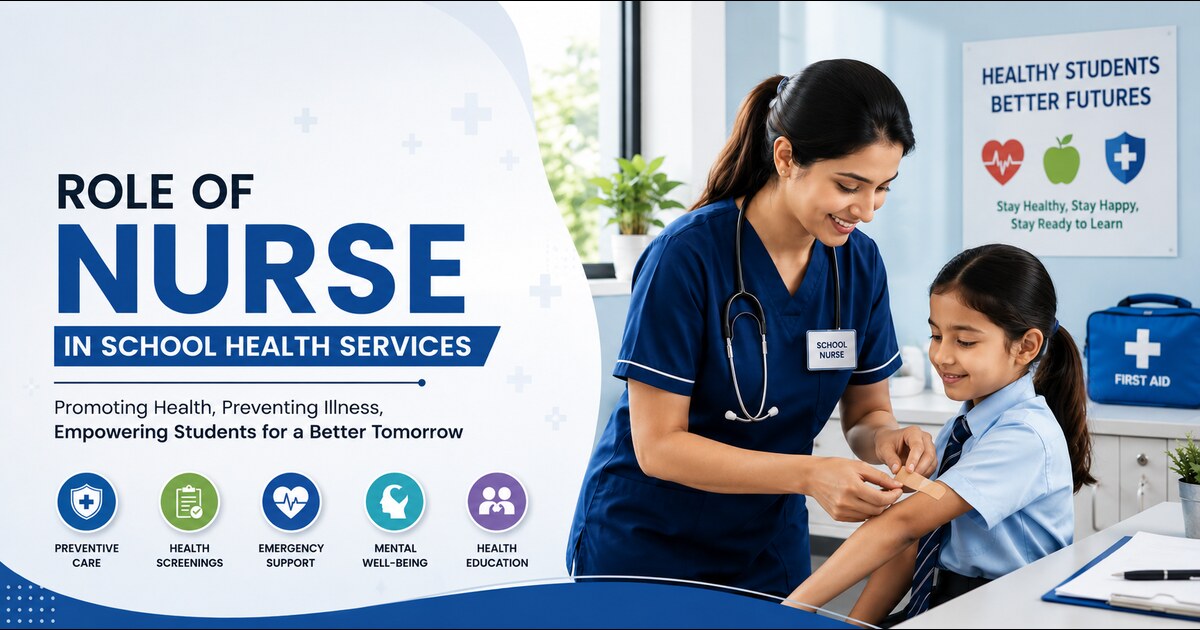
Key Takeaways
- School nurses play an important role in supporting students’ physical, mental, and emotional well-being.
- Their responsibilities include first aid, health screenings, preventive care, medication management, and emergency response.
- Early identification of health concerns helps prevent complications and supports better learning and development.
- School nurses contribute to improved attendance, concentration, classroom participation, and academic performance.
- A full-time school nurse provides continuous healthcare support and better emergency preparedness throughout the school day.
- They work closely with parents, teachers, counsellors, and healthcare providers to ensure students receive appropriate care.
- Blue Circle helps schools access qualified nursing professionals and structured healthcare solutions for a safer, healthier learning environment.
A school nurse is often the first healthcare professional a student encounters during the school day. While many associate the role with treating minor injuries, a school nurse's responsibilities extend far beyond first aid. They play a vital role in preventive healthcare, early identification of health concerns, emergency preparedness, health education, and supporting students' physical, mental, and emotional well-being.
As schools increasingly recognise the link between health and academic success, the role of a qualified school nurse has become more important than ever. By working closely with students, parents, teachers, and healthcare providers, school nurses help create a safe, healthy, and supportive learning environment where every child has the opportunity to thrive.
Who Is a School Nurse?
A school nurse is a qualified healthcare professional responsible for managing the health and well-being of students within the school environment. They provide preventive healthcare, respond to medical emergencies, monitor students with ongoing health conditions, and promote healthy behaviours that support learning and overall development.
Beyond treating illnesses and injuries, school nurses collaborate with parents, teachers, school administrators, and healthcare providers to ensure students receive timely medical attention and appropriate follow-up care. They also maintain health records, conduct routine health screenings, support vaccination initiatives, and educate students on important health topics. Their role bridges healthcare and education, helping students remain healthy, safe, and ready to learn throughout the academic year.
Major Roles and Responsibilities of a Nurse in School Health
School nurses play a central role in creating a healthy and safe school environment. Their responsibilities extend beyond medical care to include prevention, education, health promotion, and emergency preparedness.
1. Preventive Healthcare
Prevention is one of the most important responsibilities of a school nurse. By promoting vaccinations, healthy lifestyles, hygiene practices, and regular health monitoring, nurses help reduce the risk of illness and prevent health concerns from affecting students' education and overall well-being.
2. Health Screenings
School nurses organise and conduct routine health screenings, including vision, hearing, dental, growth, and general health assessments. These screenings help identify medical concerns early, allowing parents and healthcare providers to begin treatment before conditions impact learning or development.
3. Early Health Issue Detection
Many childhood health conditions develop gradually and may not be immediately noticeable. School nurses observe students regularly, recognise early warning signs of physical or developmental concerns, and coordinate timely referrals, helping prevent complications through early intervention.
4. First Aid & Emergency Care
School nurses provide immediate medical assistance during injuries, accidents, allergic reactions, asthma attacks, or other emergencies. They assess the situation, administer first aid, stabilise students when necessary, coordinate emergency medical services, and communicate with parents and school authorities.
5. Student Health & Wellness Promotion
Promoting overall wellness is an ongoing part of a school nurse's role. They encourage healthy eating, regular physical activity, adequate hydration, good sleep habits, and personal hygiene while supporting initiatives that create healthier school environments and improve student well-being.
6. Health Education & Awareness
School nurses educate students, teachers, and parents on topics such as nutrition, hygiene, communicable disease prevention, puberty, digital well-being, and healthy lifestyle choices. These awareness programs empower school communities to make informed health decisions and adopt lifelong healthy habits.
7. Mental Health Support
Children today face increasing academic, social, and emotional challenges. School nurses identify early signs of stress, anxiety, bullying, or emotional distress, provide initial support, and collaborate with counsellors, parents, and healthcare professionals to ensure students receive appropriate care.
8. Adolescent Health Promotion
As students grow older, they require guidance on physical, emotional, and social changes. School nurses provide age-appropriate health education on puberty, menstrual health, nutrition, personal hygiene, and emotional well-being, helping adolescents navigate this important stage with confidence.
9. Digital Health Records Management
Maintaining accurate health records is essential for continuity of care. School nurses update student medical histories, vaccination records, allergies, chronic health conditions, medications, and health screening results, ensuring important information is readily available when required.
10. Medication Administration
Some students require prescribed medication during school hours due to chronic health conditions or temporary illnesses. School nurses safely administer medications according to medical instructions, monitor for side effects, maintain proper documentation, and coordinate with parents and treating physicians to ensure safe and appropriate care.
Impact of School Nurses on Student Academic Performance
A student's health and academic performance are closely connected. When children have access to timely healthcare at school, they are more likely to stay engaged in learning and perform to their full potential. School nurses help remove health-related barriers that can affect attendance, concentration, and classroom participation.
Improved Attendance Rates
School nurses provide early treatment for minor illnesses, monitor ongoing health conditions, and promote preventive healthcare, helping students recover faster and attend school more consistently.
Reduced Health-Related Absenteeism
Routine health screenings, timely medical interventions, and disease prevention initiatives minimise illness-related absences and ensure students spend more time in the classroom.
Better Concentration and Learning Outcomes
By identifying vision, hearing, nutritional, and other health concerns early, school nurses help students remain focused, participate actively, and achieve better academic outcomes.
Creating a Safe Learning Environment
School nurses strengthen campus safety through emergency preparedness, infection prevention, health awareness, and immediate medical support, allowing students to learn with confidence.
What are the Benefits of Having a Full-Time School Nurse?
Having a full-time school nurse ensures that students receive continuous healthcare support throughout the school day rather than only during emergencies. Their consistent presence enables schools to adopt a proactive approach to student health while reducing risks associated with delayed medical care.
Some of the key benefits include:
- Immediate medical assistance during illnesses, injuries, and emergencies.
- Regular monitoring of students with chronic health conditions such as asthma, diabetes, or allergies.
- Early identification of physical, emotional, and developmental health concerns.
- Better management of medications administered during school hours.
- Continuous health education for students, teachers, and parents.
- Improved emergency preparedness and faster response times.
- Greater confidence among parents, knowing qualified healthcare support is always available.
A full-time school nurse not only improves student health outcomes but also contributes to a safer, healthier, and more productive learning environment.
Blue Circle: Your Trusted School Nurse Staffing Partner
Finding and managing qualified school nurses can be challenging for educational institutions. Blue Circle simplifies this process by providing experienced, trained, and certified nursing professionals who are equipped to handle the diverse healthcare needs of modern schools. Our comprehensive school nurse staffing solutions include:
- Deployment of qualified school nurses based on your school's requirements.
- Medical room setup and day-to-day infirmary management.
- Routine health screenings and preventive healthcare programs.
- Emergency response, first-aid support, and medication administration.
- Mental health awareness and student wellness initiatives.
- Digital health record management and regular health reporting.
- Coordination with parents, school staff, and specialist healthcare providers when needed.
By combining skilled healthcare professionals with structured healthcare processes and technology-driven health management, Blue Circle enables schools to deliver safe, compliant, and student-centric healthcare services. Our goal is to help educational institutions build healthier campuses where every student receives timely, compassionate, and professional medical care.
Conclusion
A school nurse is far more than a healthcare provider, they are an essential part of a student's learning journey. From preventive healthcare and emergency response to health education and mental well-being, school nurses play a critical role in creating a safe, supportive, and healthy school environment. Their presence helps improve attendance, enhance academic performance, and ensure that health concerns are addressed before they become barriers to learning.
By partnering with experienced providers like Blue Circle, schools can access qualified nursing professionals, structured healthcare systems, and ongoing medical support that strengthen student well-being while giving parents and educators greater confidence in the school's healthcare infrastructure.
FAQs
1. Why are school nurses important?
School nurses play a vital role in protecting student health by providing preventive care, responding to medical emergencies, conducting health screenings, and promoting healthy habits. Their support helps reduce absenteeism, improve student well-being, and create a safe, healthy learning environment.
2. What is the primary role of a nurse in school health services?
The primary role of a school nurse is to safeguard students' physical, mental, and emotional well-being. They provide first aid, conduct health screenings, manage medical conditions, administer prescribed medications, maintain health records, and promote preventive healthcare and health education.
3. How do school nurses improve student learning outcomes?
School nurses improve learning outcomes by addressing health concerns that may interfere with education. Through early detection, timely medical care, chronic disease management, and mental health support, they help students attend school regularly, stay focused, and perform better academically.
4. What health screenings are conducted by school nurses?
School nurses commonly conduct vision, hearing, dental, height and weight assessments, BMI evaluations, general physical examinations, and basic health screenings. These assessments help identify potential health issues early, enabling timely treatment and reducing their impact on learning and development.
5. How do school nurses support mental health?
School nurses support mental health by identifying early signs of stress, anxiety, or emotional difficulties, providing initial guidance, promoting mental health awareness, and coordinating referrals to counsellors or healthcare professionals whenever additional support or specialised care is required.