Benefits of Mental Health Services in Schools: Why Every Campus Needs Them
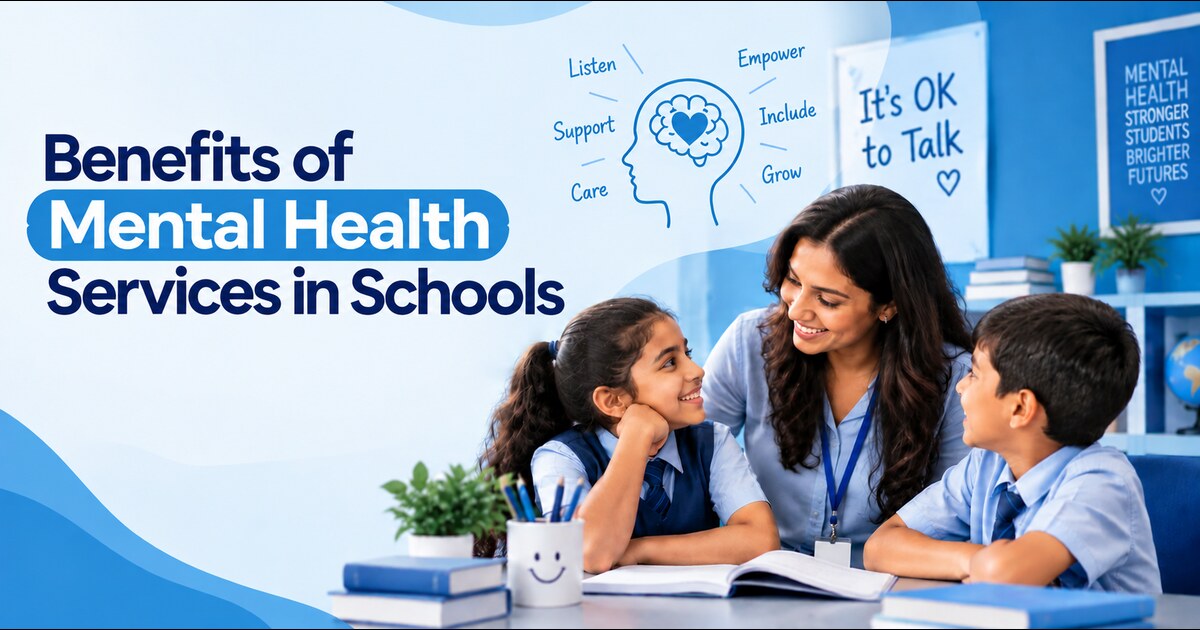
Key Takeaways
- Mental health services support students’ emotional and psychological well-being.
- Early intervention helps address concerns before they become more serious.
- Mental health support can improve academic engagement, attendance, and classroom behaviour.
- School programmes help reduce mental health stigma and encourage students to seek help.
- They build important social, emotional, and coping skills.
- Technology can improve access, coordination, and continuity of care.
- Integrating mental health into school healthcare helps create a healthier and safer school environment.
A school is more than a place where children learn academic subjects. It is also where they develop relationships, build confidence, manage emotions, and learn how to respond to challenges. Academic pressure, peer relationships, bullying, family concerns, and social expectations can sometimes affect a student’s emotional well-being and ability to participate fully in school life.
This makes mental health support an important part of a well-rounded school environment. Providing access to counselling, psychological support, awareness programmes, and early intervention can help students address concerns before they become more difficult to manage. The benefits of mental health services in schools extend beyond individual students, contributing to better classroom environments, stronger communication, and a healthier school culture overall.
What Are Mental Health Services in Schools?
Mental health services in schools are structured support systems designed to promote students’ emotional, psychological, and social well-being. Depending on the school’s requirements, these services may include counselling, psychological assessments, mental health awareness sessions, stress-management programmes, behavioural support, crisis intervention, and referrals to specialised professionals.
The focus is not limited to students who are already experiencing significant difficulties. School mental health programmes can also emphasise prevention and early support by helping children understand their emotions, develop coping mechanisms, build resilience, and seek help when needed.
These services may be delivered by school counsellors, psychologists, healthcare professionals, or trained staff working within clearly defined roles. When integrated into the wider school healthcare system, mental health support can become more accessible and consistent, helping schools address students’ overall well-being alongside their academic development.
Key Benefits of Mental Health Services in Schools
Mental health support can influence much more than a student’s emotional well-being. When schools make professional support accessible, it can positively impact learning, behaviour, attendance, relationships, and the overall school environment. Some of the key benefits include:
1. Early Identification and Intervention
Children do not always have the ability or confidence to explain when they are struggling emotionally. Changes in behaviour, academic performance, attendance, friendships, or classroom participation may sometimes indicate an underlying concern. Mental health services provide schools with appropriate channels to recognise such changes and offer timely support.
Early intervention can help prevent manageable concerns from becoming more disruptive to a student’s education and daily life. It also gives students an opportunity to develop coping strategies and access professional guidance when required. By creating regular opportunities for students to seek support, schools can move from reacting to serious concerns towards a more preventive and proactive approach to student well-being.
2. Improved Academic Performance
Emotional well-being and academic engagement are closely connected. Students dealing with persistent stress, anxiety, low mood, or social difficulties may find it harder to concentrate, participate in class, complete assignments, or retain information.
Providing appropriate mental health support can help address some of the barriers affecting a student’s ability to engage with learning. Counselling and coping-skills programmes may help students manage academic pressure, organise their thoughts, and develop healthier ways of responding to challenges. While mental health services cannot guarantee better grades, creating a supportive environment can help students become more emotionally prepared to participate in their education and make the most of their learning opportunities.
3. Better Attendance and Lower Dropout Rates
Emotional and behavioural difficulties can sometimes contribute to absenteeism, disengagement, and withdrawal from school activities. Students who feel overwhelmed or unsupported may gradually lose interest in attending school or participating in classroom life.
Accessible mental health support can help schools understand the underlying concerns affecting attendance and connect students with appropriate assistance. Counselling, family communication, referrals, and individual support plans can make it easier to address challenges before they significantly disrupt a student’s education. A school environment where students feel understood and supported may also encourage stronger engagement and a greater sense of belonging, which can contribute to more consistent participation in school.
4. Reduced Stigma Around Seeking Help
Many children hesitate to discuss emotional difficulties because they fear being judged, misunderstood, or labelled differently by others. Making mental health support a visible and normal part of school life can gradually change this perception. Awareness sessions, counselling access, classroom discussions, and supportive teacher interactions can help students understand that asking for help is not a weakness.
When schools openly promote emotional well-being, students may become more comfortable discussing concerns and seeking professional guidance. Reducing stigma can also encourage earlier help-seeking, allowing students to receive appropriate support instead of managing difficulties alone.
5. Improved Classroom Behaviour
A student’s emotional state can influence how they communicate, respond to authority, interact with classmates, and manage frustration. Behavioural changes may sometimes be linked to stress, anxiety, social difficulties, or other underlying concerns. Mental health professionals can help identify these factors and work with students on emotional regulation, communication, problem-solving, and coping skills.
Teachers can also receive guidance on responding to behavioural concerns appropriately while understanding the limits of their role. This approach can help shift the focus from simply correcting unwanted behaviour to understanding what may be contributing to it. Over time, this can support more positive interactions and a calmer classroom environment.
6. Easier Access to Care
Access to appropriate mental health support can be challenging when families are unsure where to seek help or when professional services are difficult to reach. Bringing qualified support closer to students through schools can reduce some of these barriers. School-based services can provide an initial point of contact where students’ concerns are heard and assessed appropriately. When specialised care is required, schools can establish referral pathways to psychologists, psychiatrists, hospitals, or other qualified professionals.
This creates a more connected support system rather than leaving students and families to navigate the process alone. Easier access can also encourage timely assistance when concerns first emerge.
7. Stronger Social and Emotional Skills
Mental health programmes can help children develop practical skills that support them both inside and outside the classroom. Age-appropriate activities can teach students how to recognise emotions, communicate effectively, manage stress, resolve conflicts, build healthy relationships, and respond to setbacks. These skills can improve the way students interact with peers and adults while helping them become more aware of their own emotional needs.
Social and emotional learning is particularly valuable during childhood and adolescence, when students are developing their identity and learning to navigate increasingly complex social situations. Building these skills early can support healthier relationships and more confident decision-making as students grow.
8. Crisis Prevention and Suicide Risk Reduction
Schools have an important role in recognising serious emotional distress and ensuring that students receive timely professional help. Mental health awareness, appropriate screening, trained staff, clear referral pathways, and crisis-response protocols can help schools respond when a student shows signs of significant distress or risk. Staff should not be expected to diagnose or manage complex mental health conditions themselves. Instead, they need clear processes for escalating concerns to qualified professionals and emergency services when necessary.
A well-structured programme can strengthen the school’s ability to identify warning signs, respond appropriately, and connect students with specialised care while prioritising safety and safeguarding.
9. Support for Teachers and Staff
Mental health support benefits educators as well as students. Teachers are often among the first people to notice changes in a child’s behaviour, participation, or emotional state, but they may not always know how to respond. Training and professional guidance can help teachers recognise potential warning signs, communicate sensitively, maintain appropriate boundaries, and follow the school’s referral procedures. Mental health professionals can also help staff understand that their role is to support and refer rather than diagnose students.
Giving teachers access to appropriate guidance can reduce uncertainty and help them contribute to a more supportive classroom environment without placing the responsibility for mental healthcare entirely on them.
10. A Healthier, Safer School Culture Overall
When mental health becomes part of a school’s broader approach to student well-being, the impact can extend across the entire campus. Students may feel more comfortable expressing concerns, teachers can become better equipped to respond, and parents can have clearer pathways for seeking support. Mental health education can also encourage empathy, respectful communication, inclusion, and awareness among students. Together, these efforts can contribute to a school culture where emotional well-being is treated as an important part of education rather than a separate issue.
A healthier school culture ultimately creates an environment in which students can learn, build relationships, and develop with greater confidence and support.
How Schools Can Implement Mental Health Services
Introducing mental health support in schools requires a structured approach that considers the needs of students, teachers, and parents. Schools can begin by assessing existing challenges through student feedback, teacher observations, attendance patterns, and appropriate screening or assessments. Based on these findings, they can establish access to qualified counsellors, psychologists, or other mental health professionals.
It is equally important to create clear processes for confidentiality, referrals, parental communication, safeguarding, and crisis response. Teachers and staff can receive basic awareness training to recognise potential warning signs and understand when professional intervention may be needed. Schools can also conduct age-appropriate workshops covering stress management, emotional awareness, resilience, relationships, and coping skills. Regularly reviewing these initiatives can help schools identify gaps and improve their mental health support over time.
The Role of Technology in School Mental Health Programs
Technology can make mental health support more accessible, organised, and easier to monitor when used responsibly. Digital platforms can support appointment scheduling, secure health records, screening workflows, student wellness assessments, and communication between authorised school and healthcare professionals. This can be particularly useful for maintaining continuity when students require regular follow-ups or referrals.
Technology can also support mental health education through digital workshops, educational resources, and age-appropriate wellness activities. For schools with limited access to specialists, secure teleconsultation options may help connect students with qualified professionals, subject to appropriate consent, privacy, and safeguarding requirements.
However, technology should complement rather than replace professional care. Schools must prioritise data privacy, informed consent, restricted access, and secure handling of sensitive student information. A balanced approach can help technology strengthen the delivery of mental health programmes while keeping professional judgement and student safety at the centre.
How Blue Circle Supports Mental Wellbeing in Schools
Blue Circle takes an integrated approach to school healthcare, helping educational institutions address student well-being through a structured healthcare ecosystem. Mental health is an important part of this approach, alongside preventive healthcare, health assessments, emergency support, and other student health needs.
Through appropriate professional support, schools can create pathways for counselling, early identification, mental health awareness, and referrals when a student requires specialised care. Blue Circle’s model can help schools coordinate healthcare services while reducing the need to manage different aspects of student health in isolation.
The approach also supports the broader goal of creating a school environment where students can access appropriate care when they need it. By integrating mental well-being into the wider school healthcare framework, institutions can take a more comprehensive view of student health and create systems that support physical, emotional, and developmental needs together.
Conclusion
Effective mental health programmes require more than occasional counselling sessions. They depend on qualified professionals, trained staff, clear referral pathways, safeguarding protocols, parent involvement, and a culture where seeking help is encouraged. Technology can further strengthen these systems when implemented with appropriate privacy and security measures.
By integrating mental well-being into their broader healthcare strategy, schools can create a more supportive environment for students and staff alike. Blue Circle can help schools build a coordinated healthcare framework that places student well-being at the centre, bringing mental health support together with essential school health services.
FAQs
1. Why is mental health important in schools?
Mental health support helps students manage stress, emotions, relationships, and academic pressure while creating a supportive environment where they can seek help when needed.
2. What services do school mental health programs include?
They may include counselling, psychological assessments, mental health awareness sessions, stress-management activities, behavioural support, crisis intervention, and referrals to qualified mental health professionals.
3. How do mental health services improve academic performance?
By helping students manage stress, anxiety, emotional difficulties, and behavioural concerns, mental health support can improve concentration, classroom participation, motivation, and engagement with learning.
4. Are mental health services in schools mandatory in India?
Requirements vary by school board and applicable regulations. CBSE-affiliated schools have provisions for counselling and wellness support, and schools should follow the latest applicable guidelines.
5. How can schools start a mental health program?
Schools can begin by assessing student needs, engaging qualified professionals, training staff, establishing referral and safeguarding protocols, and introducing age-appropriate mental health awareness and counselling programmes.